
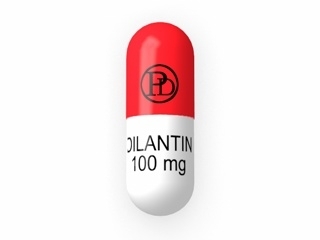
Buy Dilantin
dilantin
$51.00
- Active ingredient: Phenytoin
- Category: Mental Health
- Delivery time: Airmail (14-21 days) | EMS trackable (5-9 days)
- Prescription: Included
- Availability: In Stock
Dilantin (Phenytoin) 100mg tablets can be acquired from our reliable online pharmacy in Thailand. Stabilizing brain electrical activity, it prevents seizures. It is a cornerstone maintenance therapy for adults managing chronic epilepsy.
Table of contents
- Dilantin (Phenytoin) Comprehensive Guide in Thailand
- Who Should Use Dilantin (Phenytoin)?
- How Does It Work?
- Why Choose Dilantin (Phenytoin)?
- Dosage, Administration, Lifestyle and Dietary Recommendations
- Recommended Dosage
- How to Take
- Missed Dose
- Overdose
- Special Populations
- Lifestyle & Diet
- Precautions and Warnings
- Drug Interactions
- Potential Side Effects
- Common Side Effects
- Less Common Side Effects
- Serious Side Effects
- Who Should Avoid This Medication?
- Storage Instructions
- Dilantin (Phenytoin) Alternatives
- Frequently Asked Questions
- How long does it take for Phenytoin to control my seizures?
- Can I drink alcohol while taking Dilantin?
- What should I do if I notice my gums swelling?
- Why is my doctor requiring blood tests while I am taking this medication?
- How will I know if the medication is not working?
- Can I stop taking Phenytoin abruptly if my seizures stop?
- Does Phenytoin interact with common over-the-counter pain relievers?
- Glossary
- Purchasing Dilantin Online in Thailand
- Is Dilantin Accessible in Thailand?
- Steps to Order Dilantin Legally and Affordably in Thailand
- Can I Import Dilantin into Thailand?
- Ways to Save Money on Dilantin in Thailand
- Renewing Your Dilantin Prescription in Thailand
- Reasons Customers Prefer Us
- Dilantin Properties
- Dilantin Drug Class
- Dilantin Connected Conditions
- How to purchase Dilantin on our Website
- Reviews
- Write your review
Dilantin (Phenytoin) Comprehensive Guide in Thailand
Dilantin (Phenytoin) is an anticonvulsant medication primarily used to manage seizure disorders. This drug is a well-established option in neurological care, approved by regulatory bodies for specific indications related to abnormal electrical activity in the brain. It is typically supplied in the form of a pill for oral administration.
Who Should Use Dilantin (Phenytoin)?
Phenytoin is generally indicated for individuals who require sustained control over specific types of recurrent Seizures.
- Individuals diagnosed with generalized tonic-clonic seizures (grand mal).
- Patients with partial seizures (focal seizures).
- Cases where long-term management of seizure episodes is necessary.
- Adults and children, though dosing must be carefully tailored based on age and weight.
How Does It Work?
Phenytoin functions by stabilizing the neuronal membranes in the brain, which helps to manage the synchronization of electrical impulses that lead to seizures. Essentially, it decreases the abnormal, excessive firing of nerve cells. This membrane stabilization reduces the spread of seizure activity from its origin point to other areas of the brain. The resulting impact is more consistent brain function, minimizing the likelihood of a seizure occurring. This mechanism does not typically cause Sedation or significant mood alteration unless side effects occur.
It is crucial to maintain consistent blood levels of Phenytoin for effectiveness; therefore, adherence to the dosing schedule is paramount for managing daily activities without seizure interruption. Phenytoin is not classified as having a high potential for abuse or dependence in the way that some other controlled substances might be.
Why Choose Dilantin (Phenytoin)?
Phenytoin, available under the brand name Dilantin and as generic Phenytoin, has been used for decades, providing extensive historical data regarding its efficacy and safety profile. For patients needing consistent seizure control, the brand formulation offers the assurance of a specific, proven manufacturing standard. Generic versions offer the same active ingredient, Phenytoin, often resulting in cost-effectiveness while maintaining bioequivalence with the branded product. Both formulations provide a reliable foundation for managing Epilepsy. In certain complex neurological situations, Phenytoin may be used, with clinical guidance, for conditions beyond standard seizure control (off-label uses).
Dosage, Administration, Lifestyle and Dietary Recommendations
Effective management with Phenytoin requires careful attention to how and when the medication is taken, alongside routine monitoring.
Recommended Dosage
The starting dose for Phenytoin is highly individualized, but a standard initial dose is 100mg taken orally, though frequency adjustments are common based on patient response and therapeutic drug monitoring. The treating physician will determine the precise schedule required to achieve optimal serum concentrations.
How to Take
Take your dose of Phenytoin with a full glass of water or juice to aid absorption and minimize irritation to the esophagus. Try to take the medication at the same time(s) each day, regardless of food intake, unless specifically advised otherwise by a healthcare provider.
Missed Dose
If you forget a dose, take it as soon as you remember, unless it is nearly time for your next scheduled dose. If it is close to the next dose, skip the missed one entirely and resume your regular schedule. Never double up doses to compensate for a missed one, as this can lead to toxic levels.
Overdose
An overdose of Phenytoin can cause serious neurological symptoms, including severe dizziness, ataxia (lack of muscle coordination), and nystagmus (involuntary eye movements). If you suspect an overdose, seek immediate emergency medical assistance.
Special Populations
- Elderly Patients: Older adults may metabolize Phenytoin more slowly, potentially leading to higher drug levels; dosage adjustments downward are often required.
- Pediatric Patients: Dosing must be strictly calculated based on body weight.
- Organ Impairment: Patients with significant liver or kidney impairment may require dosage modification due to slower drug clearance.
Lifestyle & Diet
Certain dietary factors can significantly alter Phenytoin absorption. Avoid consuming large quantities of tube feedings (enteral nutrition) near the time of administration, as these can reduce the amount of Phenytoin absorbed by the body. While not required for everyone, maintaining a consistent intake of food, vitamins, and minerals supports stable drug levels.
Precautions and Warnings
Phenytoin carries a risk of serious dermatological reactions, including Stevens-Johnson Syndrome (SJS) and Toxic Epidermal Necrolysis (TEN). Be vigilant for the onset of rash or fever and report these immediately. Individuals must also be aware of the potential for blood dyscrasias (problems with blood cell counts) and required monitoring of complete blood counts. Furthermore, long-term use can sometimes lead to bone density loss (osteopenia or Osteoporosis).
Drug Interactions
Phenytoin interacts with numerous other substances, which can cause either dangerously high or ineffectively low concentrations of Phenytoin in the blood.
| Drug Class | Risk | Action |
|---|---|---|
| Certain Antibiotics | Increased Phenytoin levels | Monitor Phenytoin levels closely. |
| Antacids/Vitamins | Reduced Phenytoin absorption | Separate administration times. |
| Oral Contraceptives | Reduced contraceptive efficacy | Use backup birth control methods. |
Potential Side Effects
Understanding potential side effects allows for timely intervention and management adjustments.
Common Side Effects
The most frequently expected side effects, often mild and transient, include:
- Nystagmus (eye flickering)
- Ataxia (mild unsteadiness or poor coordination)
- Blurred or double vision
- Gingival hyperplasia (gum overgrowth)
Less Common Side Effects
These effects are reported less often but require monitoring:
- Mild mental confusion or Drowsiness
- Skin rashes (non-severe)
- Constipation
Serious Side Effects
Seek consultation if you experience any of the following severe reactions:
- High fever, swelling of the face or lymph nodes, or severe rash (signs of hypersensitivity).
- Unexplained bruising or bleeding.
- Severe mood changes or worsening Depression.
Who Should Avoid This Medication?
There are specific health conditions that make taking Phenytoin unsafe or highly risky. Do not start taking Phenytoin if you have:
- A known hypersensitivity or allergic reaction to Phenytoin.
- Certain heart rhythm problems (e.g., sinus bradycardia, second or third-degree AV block).
- A condition where chronic seizures are not the primary diagnosis.
Storage Instructions
Proper storage ensures the medication remains effective and secure.
- Store at controlled room temperature, away from excessive heat or moisture.
- Keep the pills tightly closed in their original container.
- Store away from direct light exposure.
- Keep all medication securely locked and out of reach of children and pets.
Dilantin (Phenytoin) Alternatives
Patients may explore other options based on their specific seizure type, tolerability, and concurrent conditions.
| Name | Class | Key Difference |
|---|---|---|
| Generic Phenytoin | Hydantoin Derivative | Cost structure and manufacturer confidence. |
| Gabapentin | Anticonvulsant | Different primary mechanism of action. |
| Lamotrigine | Sodium Channel Blocker | Different side effect profile, often preferred for certain seizure types. |
Frequently Asked Questions
How long does it take for Phenytoin to control my seizures?
It typically takes several weeks of consistent dosing to reach a stable, therapeutic concentration of Phenytoin in your bloodstream that effectively prevents seizures. Adjustment periods are common initially.
Can I drink alcohol while taking Dilantin?
It is strongly advised to limit or avoid alcohol consumption while taking Phenytoin, as alcohol can dangerously affect your seizure threshold and alter the metabolism of the drug, leading to unpredictable blood levels.
What should I do if I notice my gums swelling?
Gum overgrowth (gingival hyperplasia) is a known, usually benign, side effect of long-term Phenytoin use. You should discuss this with your dental professional and your prescribing clinician to manage oral hygiene effectively.
Why is my doctor requiring blood tests while I am taking this medication?
Regular blood tests are essential to measure the actual concentration of Phenytoin in your serum (Therapeutic Drug Monitoring). This ensures the level is high enough to stop seizures but low enough to avoid toxicity.
How will I know if the medication is not working?
If you experience seizures frequently after starting or adjusting the dose, the medication may not be effective for your specific condition, or the dosage may require modification. Report any breakthrough seizure activity immediately to your healthcare provider.
Can I stop taking Phenytoin abruptly if my seizures stop?
Under no circumstances should you stop taking Phenytoin suddenly. Abrupt discontinuation can significantly increase the risk of severe seizure recurrence (Status Epilepticus). Dosage tapering must always be supervised by a clinician.
Does Phenytoin interact with common over-the-counter pain relievers?
While many common analgesics are generally safe, certain supplements or prescription-strength NSAIDs can influence Phenytoin levels; always consult a professional before adding any new analgesic medication.
Glossary
- Anticonvulsant: A medication designed specifically to reduce the frequency and severity of epileptic seizures.
- Bioequivalence: The pharmaceutical concept confirming that a generic drug is absorbed and utilized by the body in the same manner and rate as the brand-name equivalent.
- Gingival Hyperplasia: An overgrowth or enlargement of the gum tissue, commonly associated with long-term Phenytoin use.
- Status Epilepticus: A medical emergency defined as a seizure lasting longer than five minutes or multiple seizures occurring without recovery of consciousness between them.
Disclaimer: This information is intended for educational purposes only and is based on publicly available pharmacological data relevant to individuals in Thailand. It is not a substitute for professional medical evaluation, diagnosis, or treatment planning. Decisions regarding starting, stopping, or adjusting dosage of Dilantin (Phenytoin) must be made in consultation with a qualified healthcare provider. We do not provide individualized medical advice through our service.
Purchasing Dilantin Online in Thailand
Is Dilantin Accessible in Thailand?
Yes, you can purchase Dilantin in Thailand with a valid prescription. When ordering online, this prescription is issued automatically by our overseas medical partner, so you do not need to obtain one locally. This approach aligns with Thailand’s import guidelines for personal-use quantities and makes access to both branded and generic options cost-effective. You can access high-standard treatments in a secure and simple way.
Steps to Order Dilantin Legally and Affordably in Thailand
Purchasing Dilantin online is straightforward. Choose the dosage and quantity you need, add the item to your cart, and proceed to checkout—adding other medications if required. No prescription is needed from your side; our licensed overseas provider issues it automatically as part of the order. Your medication is shipped directly to your address in discreet packaging and in full compliance with all regulatory requirements for personal import.
Can I Import Dilantin into Thailand?
Importing Dilantin for personal use is permitted under Thailand’s national guidelines. Each order is processed to meet the required documentation standards, including the overseas-issued prescription and the allowed quantities. Both reliable generic alternatives and cost-effective branded versions are available for delivery.
Ways to Save Money on Dilantin in Thailand
- Consider generic equivalents such as Phenytoin, which offer the same therapeutic effect at a reduced price.
- Review available pricing to find competitive options.
- Use platform discounts and additional savings where applicable.
Renewing Your Dilantin Prescription in Thailand
Renewing your medication is simple. Returning customers receive special benefits, including 10% off each refill, which helps reduce long-term treatment costs. The platform allows reorders with confidence.
Reasons Customers Prefer Us
Our service follows Thailand’s import rules to ensure safe delivery within the country. Shipping covers major locations such as Bangkok, Chiang Mai, Pattaya, Phuket, and surrounding areas, providing fast and discreet delivery. We aim to supply trusted medications with clear guidance throughout the ordering process.
Dilantin Properties
- Original Manufacturer: Pfizer
- Clinical use: Used primarily to control seizures in epilepsy.
- Spectrum of activity: Effective for various types of seizures.
- Mechanism of action: Stabilizes electrical activity in the brain by blocking sodium channels.
- Classification: Anticonvulsant
- Recommended Dosage: Typically starts at 100 mg daily, adjusted based on seizure control.
- Basic Side Effects: Gum irritation, Drowsiness, Nausea
- Moderate Side Effects: Dizziness, Confusion, Rash
- Serious Side Effects: Severe allergic reactions, Irregular heartbeat, Liver problems
Dilantin Drug Class
Dilantin Connected Conditions
How to purchase Dilantin on our Website
To purchase Dilantin | Phenytoin on our online pharmacy, just select the required dosage and quantity of pills above. The actual price of your choice will be displayed automatically. Next, you can add the chosen amount to your cart by clicking the Add to Cart button. You have the option to continue shopping for more pills or proceed to the checkout. At the Checkout, you can finalize the payment process through our secure and dedicated payment gateway.
Dilantin / Phenytoin pills are manufactured using high-quality generic ingredients and undergo strict quality control measures in compliance with WHO and FDA Thailand standards. However, Dilantin pills are dispatched from outside Thailand due to prescriptions issued overseas.
Disclaimer: The information on this website is intended for educational purposes only and should not be considered a substitute for professional medical advice, diagnosis, or treatment. Always consult a qualified healthcare professional in Thailand or your local area for any health-related concerns, and do not delay seeking medical advice based on content from this site. This website does not establish a doctor-patient relationship. In case of a medical emergency in Thailand, contact local emergency services immediately. We are not responsible for any inaccuracies or omissions in the information provided.
Reviews
Information provided by Dr. Tekeste Etay Teka. Reviewed by Dr. Mohamed El Khouly